Overgrown vegetation can quickly take over a property, impacting safety, accessibility, and the health of surrounding plants. Effective vegetation clearance removes unwanted growth, reduces fire hazards, and prepares your property for landscaping or new projects. In this guide, we’ll walk you through the essential steps for safe and efficient vegetation clearance to create a healthier, more functional outdoor space.
Why is Vegetation Clearance Important?
Vegetation clearance isn’t just about aesthetics; it’s a crucial part of property maintenance that offers numerous benefits:
- Increases Safety: Overgrown vegetation can hide hazards, obstruct pathways, and create fire risks, especially during dry seasons.
- Improves Land Usability: By clearing away invasive plants and overgrowth, you create more space for gardens, recreational areas, or new structures.
- Enhances Property Value: A well-maintained property with clear, open spaces is more appealing to potential buyers or tenants.
Essential Steps for Effective Vegetation Clearance
1. Assess the Site and Plan Your Approach
Before starting any clearance work, assess the site to determine the scope of the project and identify any potential hazards, such as uneven ground, large debris, or unstable trees. This initial assessment will help you choose the right tools and plan a safe, efficient approach to clearing vegetation.
2. Use the Right Tools and Equipment
The tools you need will depend on the type and density of vegetation. Some essential equipment for vegetation clearance includes:
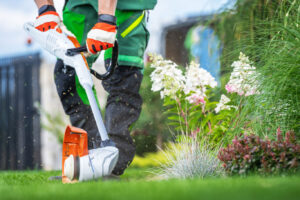
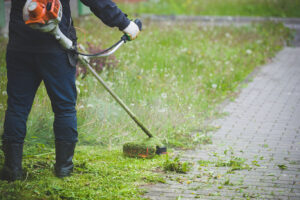
- Brush cutters or trimmers for cutting thick grass, bushes, and small saplings
- Chainsaws for larger trees and branches
- Rakes and spades for clearing debris and digging up roots
Using the proper tools not only speeds up the process but also reduces the risk of injury.
3. Remove Overgrown Shrubs, Weeds, and Debris
Start by removing any unwanted shrubs, weeds, and dead plants. Clearing these allows you to see the landscape more clearly and assess whether further work is needed on larger trees or plants. For stubborn plants and deep-rooted weeds, dig up roots to prevent regrowth.
4. Prune Trees and Large Shrubs
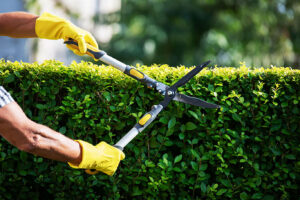
Pruning large trees and shrubs keeps them healthy and prevents them from overcrowding other plants. Remove dead or low-hanging branches and clear any limbs that obstruct pathways or encroach on buildings. This step reduces the risk of falling branches and helps maintain visibility and accessibility.
5. Dispose of Debris Properly
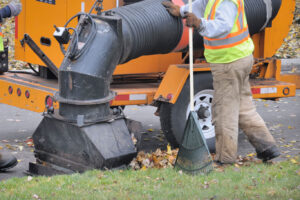
Disposing of vegetation waste correctly is essential, as large piles of debris can attract pests or become a fire hazard. Consider these disposal options:
- Composting for organic materials that can decompose
- Green waste recycling through local facilities
- Burning, if allowed and safe in your area, for larger amounts of waste
Professional vegetation clearance services often handle disposal, ensuring that debris is safely removed or recycled.
6. Prevent Future Overgrowth with Maintenance
Once the clearance is complete, establishing a regular maintenance plan is key to preventing overgrowth from returning. Mowing, trimming, and periodic pruning will help keep the area clear and maintain a healthy landscape.
Benefits of Hiring Professionals for Vegetation Clearance
For large properties or areas with dense vegetation, hiring professionals for vegetation clearance can save time and ensure safe, effective results. Professional services provide several advantages:
- Access to Specialized Equipment: Experts have access to heavy-duty equipment, making the process faster and more efficient.
- Knowledge of Safe Techniques: Professionals know how to safely handle tools, clear tough vegetation, and dispose of waste in an eco-friendly manner.
- Tailored Services for Specific Needs: Vegetation clearance professionals can address unique challenges, such as managing invasive species, preparing land for construction, or clearing large trees near structures.
Professional vegetation clearance can make a significant difference in property safety, usability, and overall appeal. At Greenside Maintenance, we provide comprehensive vegetation clearance services tailored to your property’s needs. For more information, visit our vegetation clearance page or call us at 01428 645152.
FAQs About Vegetation Clearance
Q1: How often should vegetation clearance be done?
A1: The frequency depends on the vegetation type and growth rate, but it’s generally recommended to perform clearance at least once a year or as needed to maintain safety and accessibility.
Q2: Can I clear vegetation on my own, or should I hire a professional?
A2: Smaller areas with light vegetation can be managed independently with the right tools. For larger areas or properties with dense growth, hiring a professional is often safer and more efficient.
Q3: Is vegetation clearance environmentally friendly?
A3: Yes, when done responsibly. Clearing overgrowth can improve native plant health, reduce invasive species, and maintain ecological balance. Professionals often use eco-friendly practices to minimise environmental impact.