Taming the garden Liphook may sound like a whimsical adventure, but for homeowners in Hampshire, it’s a year-round task that requires smart planning, timely action, and a bit of local know-how. Whether you’re maintaining a small cottage garden or a sprawling estate, understanding how to manage your garden through the changing seasons is key to keeping it beautiful, functional, and easy to enjoy.
Why Taming the Garden Liphook is a Year-Round Effort
The British climate presents unique gardening challenges, especially in places like Liphook. With its rich soil, damp winters, and unpredictable summers, your garden needs attention tailored to the season. Here’s how to tackle it month-by-month.
Spring: Kickstart Your Garden’s Growth
Spring is the perfect time to lay the groundwork for taming the garden Liphook.
Tasks to Focus On:
- Clear debris: Remove fallen leaves and dead plants to let new growth flourish.
- Soil preparation: Aerate and fertilise to encourage healthy root development.
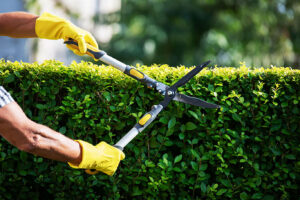
- Pruning: Trim shrubs and shape hedges for optimal blooming later.
- Planting: Get early blooms like daffodils and tulips in the ground.
Taming the Garden Liphook Internal Tip: Check out our full Garden Maintenance Services for professional help with spring clean-ups.
Summer: Maintenance and Enjoyment
Summer is when your garden is at its most vibrant – but that also means weeds, fast growth, and regular upkeep.
Key Actions:
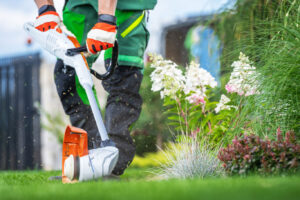
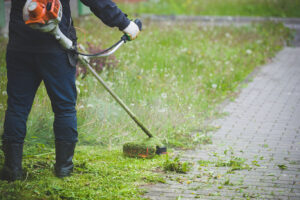
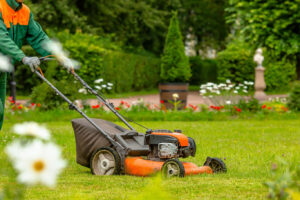
- Regular mowing: Keep lawns neat and edges trimmed.
- Weed control: Remove invasive species before they spread.
- Watering: Water early in the morning to conserve moisture.
- Deadheading: Keep flowers blooming by removing faded blooms.
Taming the Garden Liphook Top Tip: Consider installing a rainwater harvesting system – it’s eco-friendly and ideal for dry spells.
Autumn: Prepare for the Chill
Autumn is about winding down growth and preparing your garden to weather the winter.
Must-Dos:
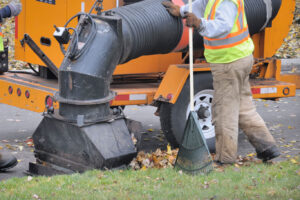
- Leaf collection: Rake regularly to prevent fungal issues.
- Last cut: Give your lawn a final mow before winter sets in.
- Mulching: Protect roots and enrich soil with compost or bark.
- Plant spring bulbs: Daffodils, crocuses, and hyacinths all go in now.
Taming the Garden Liphook Pro Advice: Autumn is the best time for lawn reseeding – take advantage of the cool, moist conditions.
Winter: Garden Rest & Structural Improvements
While growth slows down, winter is ideal for planning and structural changes.
Recommended Tasks:
- Tool maintenance: Sharpen, clean, and oil garden tools.
- Hardscape projects: Install paths, fences, or raised beds.
- Prune trees: Remove dead or dangerous branches.
- Wildlife care: Set up bird feeders and shelters.
Taming the Garden Liphook Pro Move: Book a winter garden inspection to spot drainage or soil issues before spring.
Take Control of Your Garden All Year Long
Taming the garden Liphook isn’t a one-off task – it’s a seasonal journey. Each season brings its own challenges and opportunities. With a thoughtful plan and local expertise, your garden can thrive beautifully year-round.
Whether you need a one-time overhaul or regular maintenance, Greenside Maintenance is your trusted partner in garden care.
Contact Details:
Phone: 01428 645152
Email: service@greensidegardeners.co.uk
Taming the Garden Liphook FAQs
Q1: How often should I schedule professional garden maintenance in Liphook?
A1: It depends on the season. Weekly visits in spring and summer are ideal due to rapid growth and flowering. During autumn and winter, gardens are less active and may only need fortnightly or monthly attention to manage leaf fall, pruning, and structural care.
Q2: Can I plant year-round in Liphook’s climate?
A2: Not quite. Most planting is best done in spring or autumn due to optimal soil conditions and moderate temperatures. Summer allows for bedding plants and container gardening, but winter is best reserved for planning, structural changes, and hardy tree or shrub planting.
Q3: What’s the biggest mistake people make when taming the garden in Liphook?
A3: Neglecting seasonal prep—especially skipping key autumn tasks like mulching, pruning, and clearing leaves—can lead to poor drainage, overgrowth, and pest problems by spring. Proper seasonal maintenance prevents long-term garden issues and keeps your outdoor space thriving.